Understanding Making Tax Digital for Income Tax
Starting from 6 April 2026, Making Tax Digital (MTD) for Income Tax will be introduced in a series of phases for self-employed individuals and landlords. You may have received a letter from HMRC if they expect you to be impacted. Regardless of whether that’s the case, here’s everything you need to know to prepare.
What is Making Tax Digital for Income Tax?
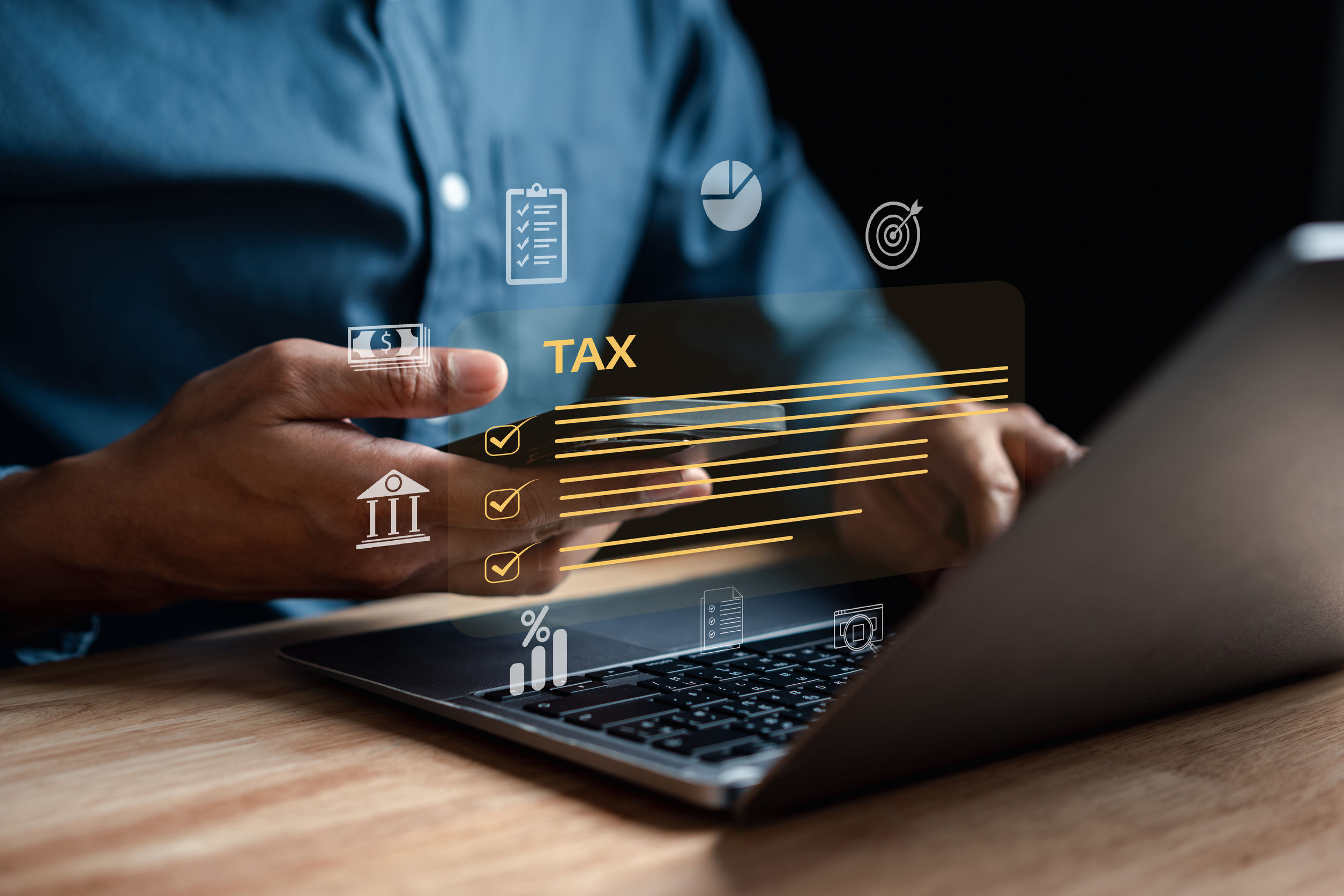
Making Tax Digital (MTD) for Income Tax is HMRC’s initiative to modernise the tax system. It’s intended to make tax returns simpler and more efficient, reducing the number of errors during reporting. HMRC will require digital records of income and expenses to be kept and reported using MTD-compatible software. Updates will need to be sent every quarter, with a final tax position being submitted at the end of the tax year.
Who is affected by MTD for Income Tax?
From April 2026, those with an annual income of over £50,000 from self-employment and/or property rental will need to comply with MTD.
From April 2027, this threshold will be reduced to include all sole traders and landlords who reported an income of £30,000 or more in their 2025/26 tax return. In April 2028, the threshold will be reduced again to £20,000.
What does MTD for Income Tax mean for me?
If you receive income from self-employment or property, MTD for Income Tax may change the way you manage tax. If you haven’t done so already, you’ll need to:
- Install and begin using HMRC-approved digital accounting software.
- Keep digital records of all income and expenses, with transactions logged in real time when they occur.
- Submit digital quarterly updates to HMRC. You won’t be required to pay tax when submitting these, but you will receive an estimated tax calculation after each one.
- File an end-of-year tax return digitally. This will include personal income not covered under MTD, such as savings or dividends.
What income qualifies for MTD for Income Tax?
Any income from one or more businesses that you operate as a sole trader qualifies, and/or gross income from UK and overseas property lettings.
Non-qualifying income includes:
- Income from employment such as wages from PAYE and benefits-in-kind
- Pensions
- Savings and investment income
- Foreign income from sources other than property
- Capital gains
- Partnership income
- Other income such as income from trusts
What are the benefits of MTD-compatible accounting software?
- Simple and efficient – Digital accounting software makes bookkeeping simpler by enabling you to keep everything in one place. It automates routine tasks, can be updated in real time and can be accessed from anywhere.
- Accurate – Invoices and receipts can be dealt with as they arrive, enabling you to stay on top of record keeping.
- Security – Protected by two-factor authentication, data encryption and more, your financial information remains secure.
- Collaboration – Digital software makes collaboration with your accountant easier, facilitating the instant sharing of information and real-time views of finances.
Help with MTD for Income Tax
If you’d like assistance with determining your eligibility for MTD for Income Tax, or with selecting and using MTD-compatible accounting software, speak to an accountant today.
Recent News Articles

Scam alert – the tax and Companies House frauds every business owner needs to know about

Your end-of-tax-year checklist for 2026/27 – key allowances to use before the 5 April deadline