£100k Tax Trap Explained UK
Under most circumstances, a pay rise is good news, and for those whose raise takes them over £100,000 this figure should feel like a milestone. Indeed, for many it does, until they notice that their take-home pay doesn’t appear to have improved in the way they imagined.
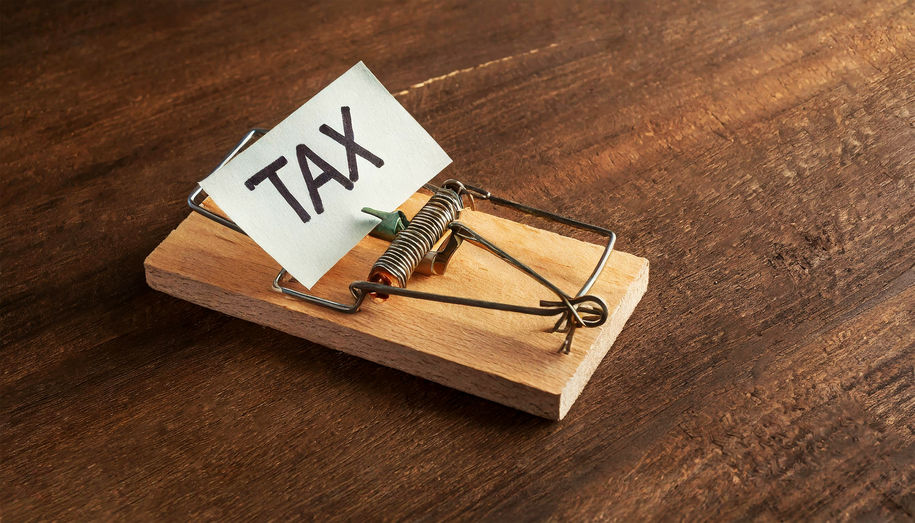
The UK tax system has a hidden band that comes into effect when an earner reaches an annual salary of between £100,000 and £125,140. Earnings in this bracket incur an effective tax rate of 60%, which many aren’t aware of until their pay slip isn’t as healthy as they expect. This rate doesn’t appear on standard tax tables and catches out higher earners every year. Here, we explain this hidden tax and advise on ways to avoid it.
Why does a higher salary mean a 60% tax rate?
In the tax tables that typically accompany Budget announcements where income taxes have changed, you’ll see lines for the Basic Rate (20%), Higher Rate (40%) and Additional Rate (45%). You’d be forgiven, then for assuming that you’ll pay:
- 20% on earnings between £12,571 to £50,270
- 40% on earnings between £50,271 to £125,140
- 45% on earnings over £125,140
However, once your pay exceeds £100,000, your Personal Allowance is gradually withdrawn, and for every £2 of income you earn over this threshold, your Personal Allowance is reduced by £1. While this isn’t a tax band per se, it means higher earners are effectively taxed at a 60% rate.
In practice, this means that for every £100 of income you receive above £100,000:
- £40 is paid in higher-rate income tax (40%)
- £50 of your lost tax-free allowance becomes taxable
- That £50 is taxed at 40% = £20
- Total tax on £100 of income: £60
Additional concerns for parents
For parents, the £100,000 threshold has additional significance. If the Adjusted Net Income (ANI) for either parent exceeds £100,000, they are no longer eligible for either tax-free childcare or 30 hours’ free childcare.
Unlike the Personal Allowance, no gradual taper is applied to the ANI. If one parent earns £100,001, the entitlement is withdrawn entirely. In many households, then, the combined effect of the extra tax and loss of childcare support means that even a modest pay rise or bonus can result in a significantly reduced overall income.
How to avoid the 60% tax trap
Getting an increase in pay doesn’t have to mean you become subject to this tax trap. Because it’s based on Adjusted Net Income and not headline salary, you can make pension contributions to reduce your ANI, resulting in a restoration of your Personal Allowance. For parents, this also reinstates eligibility for childcare support.
Let’s look at an example:
Beth has achieved a promotion, pushing her salary up to £110,000. Without salary sacrifice, the extra £10,000 will effectively incur a 60% tax rate. If she agrees to a £10,000 salary sacrifice, however, which is paid into her workplace pension, then:
- Her contractual pay falls to £100,000
- Her Adjusted Net Income returns to £100,000
- Her personal allowance is restored in full
- She remains eligible for tax-free childcare and 30 hours’ free childcare
Need help with navigating Income Tax?
If you are a higher earner and are impacted by the current tax legislation, seek help from a professional accountant to legally reduce your tax liability and take home more.
Recent News Articles

Scam alert – the tax and Companies House frauds every business owner needs to know about

Your end-of-tax-year checklist for 2026/27 – key allowances to use before the 5 April deadline